

Introduction
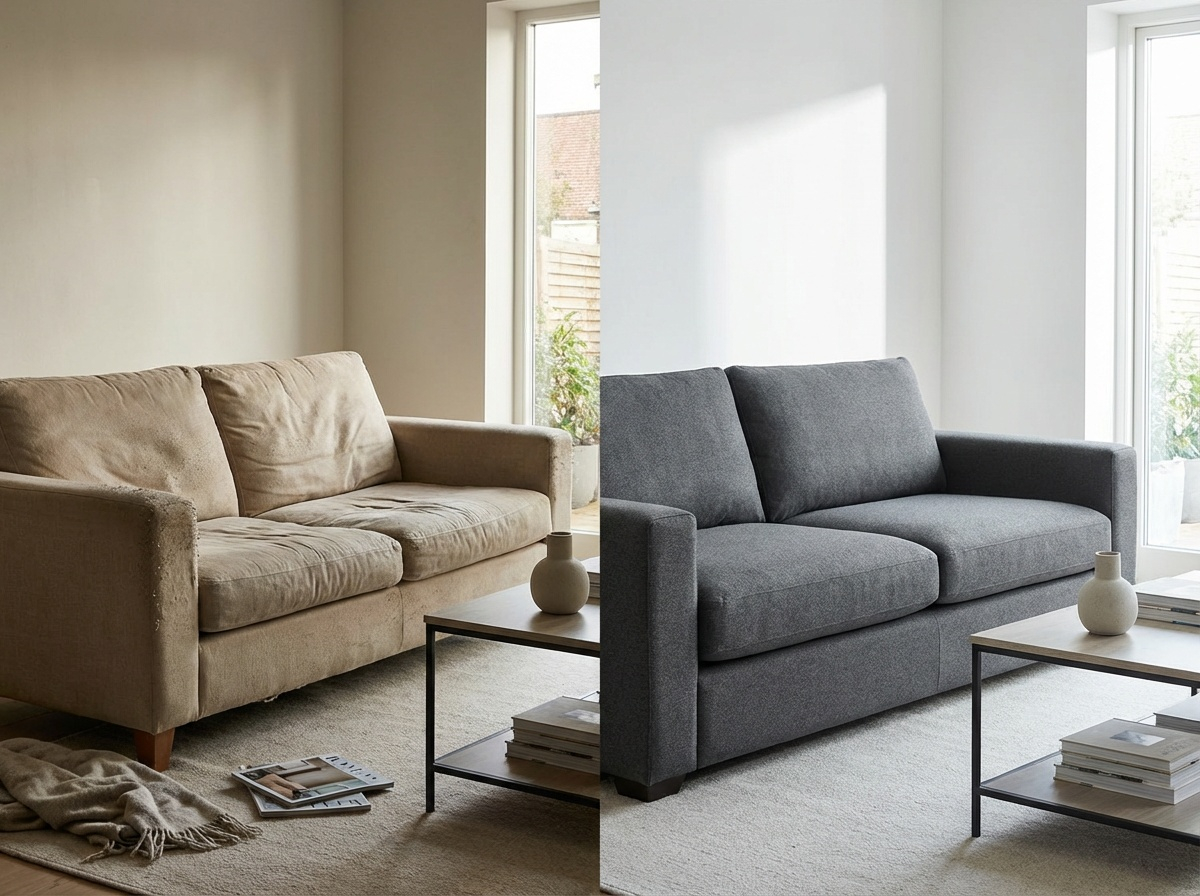
A sofa is one of the most used pieces of furniture in any home. It’s where families relax, watch movies, host guests, and spend time every day. Because of this, many homeowners eventually ask the question: how long should a sofa last?
The lifespan of a sofa can vary widely depending on the quality of materials, construction methods, and how often the furniture is used. While some lower-quality couches may start showing wear after only a few years, well-built sofas made with durable materials can last well over a decade.
In this guide, we’ll explain the average lifespan of a sofa, what factors affect durability, and the signs that it may be time to replace your couch.
Average Lifespan of a Sofa
Not all sofas are built the same. The quality of construction and materials used can significantly impact how long a sofa lasts.
Here is a general guideline for sofa lifespan based on quality:
| Sofa Quality | Average Lifespan |
|---|---|
| Budget sofas | 5–7 years |
| Mid-range sofas | 7–12 years |
| High-quality sofas | 12–15+ years |
Higher-quality sofas tend to last longer because they are built with stronger frames, better cushion materials, and more durable upholstery fabrics.
Investing in a well-built sofa often results in better comfort and longer-lasting performance.
 What Affects the Lifespan of a Sofa?
Several factors determine how long a sofa will remain comfortable and structurally sound.
Frame Construction
The frame is the foundation of the sofa. High-quality sofas typically use solid hardwood frames, often kiln-dried to prevent warping or cracking over time.
Lower-cost sofas may use particle board or soft wood frames, which are more likely to weaken over time.
Stronger frames help ensure that the sofa maintains its structure and stability for many years.
Cushion Quality
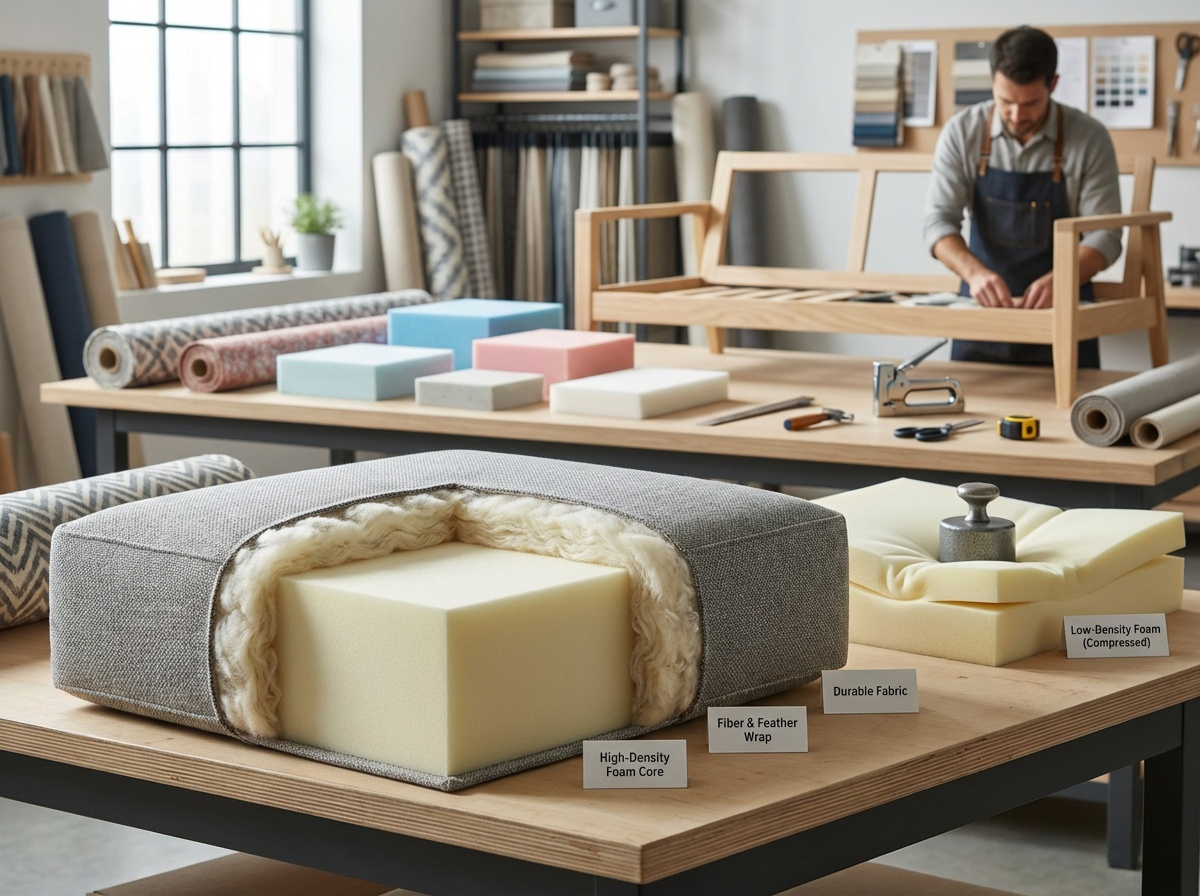
Cushion density plays a major role in comfort and durability.
Lower-density foam cushions may begin to sag or lose support after only a few years. In contrast, higher-density foam cushions maintain their shape and comfort for much longer.
Some higher-quality sofas also combine foam with fiber or feather blends for improved comfort and resilience.
Upholstery Fabric
The durability of the fabric covering your sofa can also affect its lifespan.
Performance fabrics, tightly woven textiles, and high-quality upholstery materials tend to resist wear, stains, and fading better than cheaper fabrics.
Homes with pets, children, or heavy daily use benefit from durable upholstery materials designed to handle frequent use.
Daily Use and Household Factors
Another major factor is simply how often the sofa is used.
A couch in a busy family room that is used every day will naturally experience more wear than a sofa placed in a formal living room used occasionally.
Pets, spills, and regular movement can also influence how long furniture remains in good condition.
Signs It May Be Time to Replace Your Sofa
Even high-quality sofas eventually show signs of wear. If you notice the following issues, it may be time to consider replacing your couch.
Sagging Cushions
If cushions remain flattened even after fluffing or adjusting them, the foam inside may have worn out.
Uncomfortable Seating
A sofa that no longer provides proper support can lead to discomfort when sitting for extended periods.
Structural Noises
Creaking or shifting sounds when sitting down may indicate that the frame or joints have weakened.
Worn or Damaged Upholstery
Torn fabric, fading, or excessive wear can affect both the appearance and durability of the sofa.
Outdated Style or Size
Sometimes furniture replacement isn’t only about damage. Homeowners may also replace sofas when updating their interior design or when moving to a new space that requires a different size or layout.
Can a Sofa Be Repaired Instead of Replaced?
In some cases, repairing a sofa can extend its lifespan.
Possible repairs include:
replacing worn cushions
reupholstering fabric
reinforcing loose frame joints
However, if multiple components of the sofa are worn out, replacing the furniture may be the more practical option.
Why Quality Sofas Last Longer
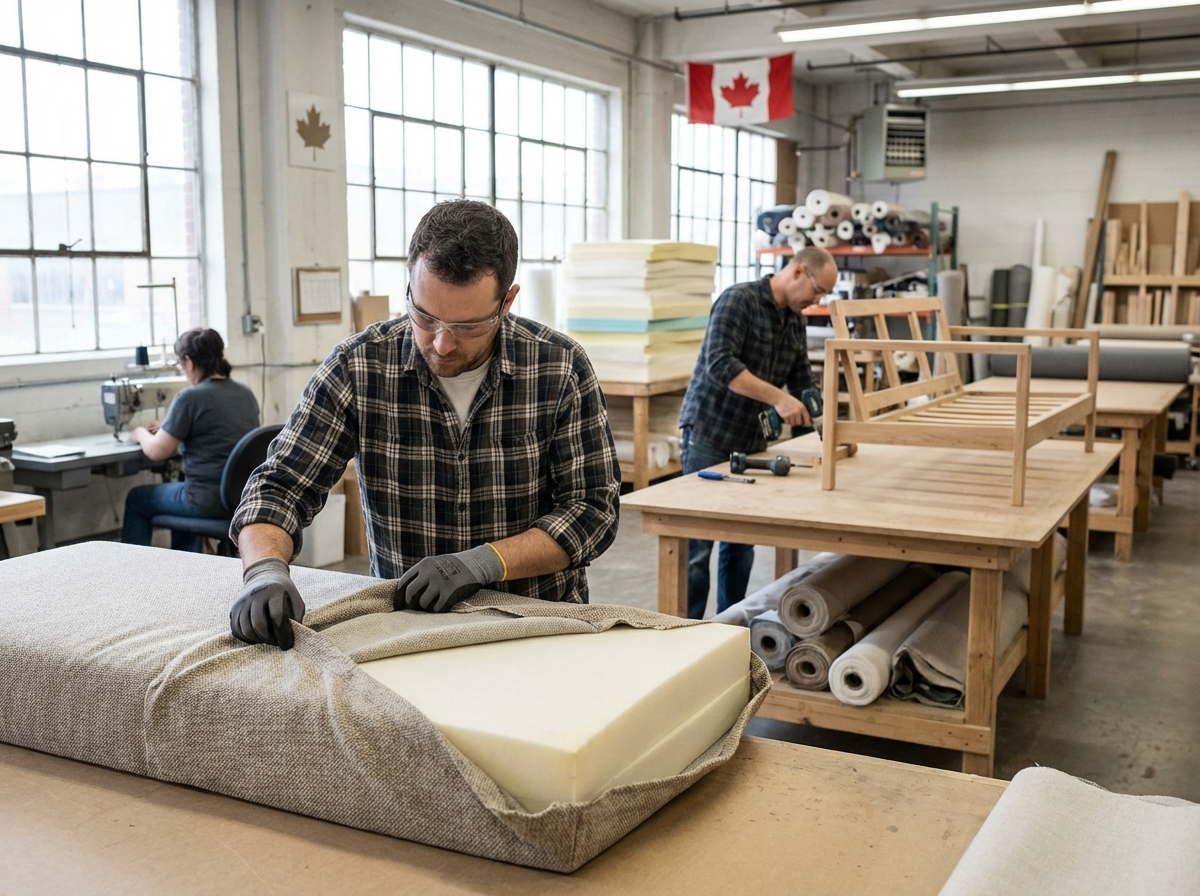
Higher-quality sofas are built with durability in mind. Strong frames, high-density cushions, and durable fabrics all contribute to furniture that can withstand years of use.
Many homeowners choose well-built sofas made with solid materials because they provide better long-term comfort and reliability compared to cheaper alternatives.
When purchasing a new sofa, considering quality construction can help ensure the furniture remains comfortable and attractive for many years.
Final Thoughts
The lifespan of a sofa can vary depending on materials, construction quality, and daily use. While some couches may only last five to seven years, a well-built sofa can remain comfortable and functional for well over a decade.
Understanding what affects sofa durability can help homeowners make better decisions when purchasing furniture and ensure they choose pieces designed to last.
Explore Quality Sofas
If you’re looking for a comfortable and well-built sofa, visiting a showroom allows you to see and feel the quality of construction in person.
At AMRO Furniture, we offer a range of sofas designed for comfort, durability, and everyday living.
Visit us at:
1420 Kennedy Road
Scarborough, Ontario
Or explore our collection online:
https://www.amrofurniture.com/collections/made-in-canada